ImmuneGuardImmune Response Simulator
Watch the body's defense unfold — from the innate response to immune memory.
Visual Gallery
Educational illustrations of cells, molecules, and pathogens alongside technical descriptions and biomedical context.
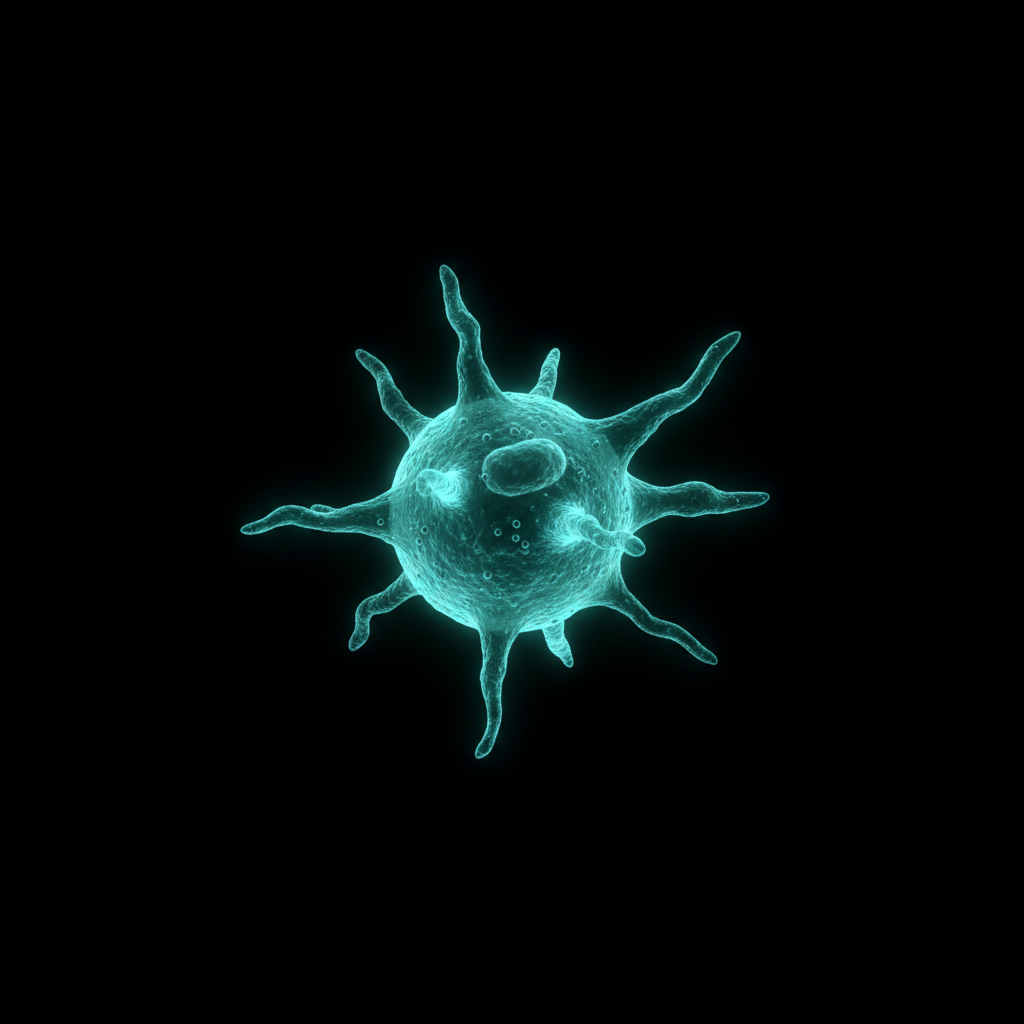
Macrophage
The sentinel that engulfs invaders
Tissue-resident phagocytic cell. Detects pathogen molecular patterns (PAMPs) and internalizes them by phagocytosis, digesting them inside.
- Macrophages can derive from circulating monocytes, but several resident populations also originate from embryonic precursors and self-maintain locally.
- Presents antigens via MHC-II, activating CD4+ T lymphocytes.
- Releases cytokines (TNF-α, IL-1, IL-6) that start inflammation.
Biomedical context
Macrophages participate in phagocytosis, antigen presentation, granulomas, inflammation, and repair; phagocyte defects can impair these functions.
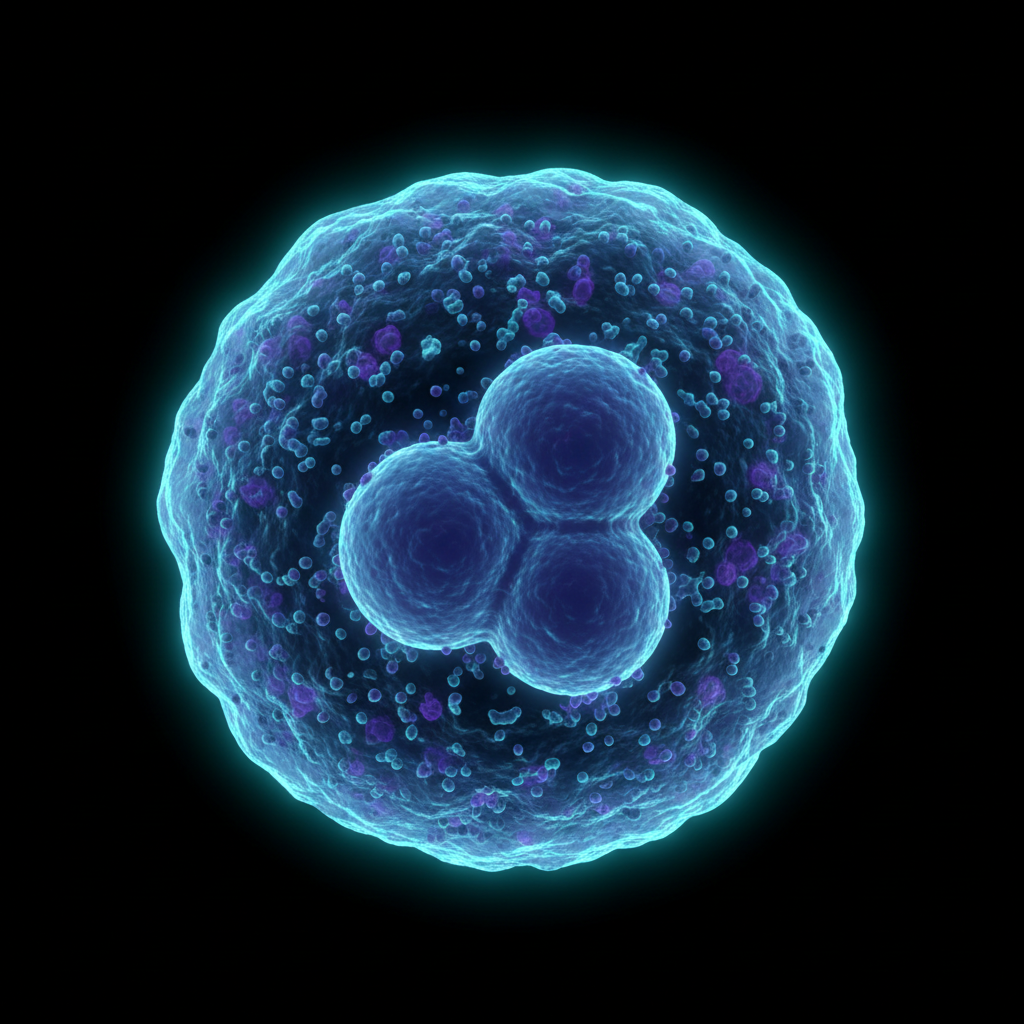
Neutrophil
The abundant shock troops
The most abundant leukocyte in blood, often recruited very early to inflammatory sites, especially in many bacterial and fungal infections. It acts rapidly through phagocytosis, granules, and other mechanisms.
- Performs phagocytosis and releases enzymes stored in granules.
- Forms NETs (extracellular traps) to capture microbes.
- It has a relatively short lifespan in many contexts; neutrophils and their remnants can make up part of pus.
Biomedical context
Marked neutropenia increases infection risk, especially bacterial and fungal; risk depends on the severity and duration of the decrease.
NK Cell (Natural Killer)
The innate killer ready to strike
An innate-immune lymphocyte that can kill infected and tumor cells without relying on MHC-restricted clonal recognition like T cells; its activity is regulated by the balance of activating and inhibitory signals.
- Can respond to reduced MHC-I and to other signs of cellular stress or alteration.
- Releases perforin and granzymes to induce target apoptosis.
- Acts early, before the adaptive response is ready.
Biomedical context
NK-cell deficiencies increase susceptibility to severe viral infections, such as herpesviruses.
Dendritic Cell
The bridge between innate and adaptive
The main antigen-presenting cell. Captures pathogens in tissues, migrates to lymph nodes, and activates T lymphocytes, connecting the two arms of the immune system.
- Presents antigens via MHC-I and MHC-II to T lymphocytes.
- Its activation is the trigger that starts the adaptive response.
- Connects innate recognition to specific immunity.
Biomedical context
They are targets of vaccines and cancer immunotherapies for orchestrating the adaptive response.
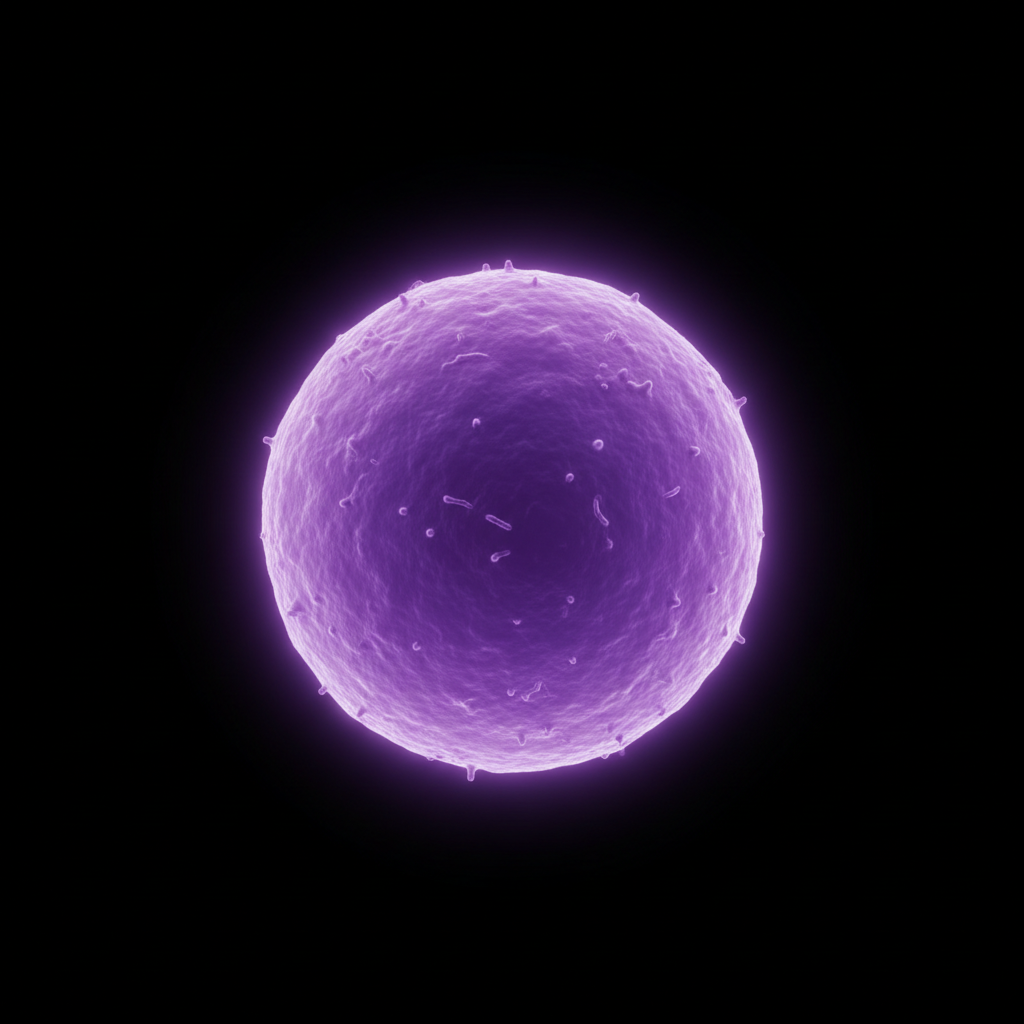
T Lymphocyte
The command of the specific response
Coordinates (helper CD4+ T) and executes (cytotoxic CD8+ T) the adaptive defense, recognizing antigens presented by MHC molecules.
- CD8+ T kills infected cells by releasing perforin and granzymes.
- CD4+ T helps activate B cells and macrophages.
- Its activation takes time — explaining the adaptive response "delay".
Biomedical context
Without treatment, HIV can cause progressive CD4+ T-cell loss and advanced immunodeficiency (AIDS).
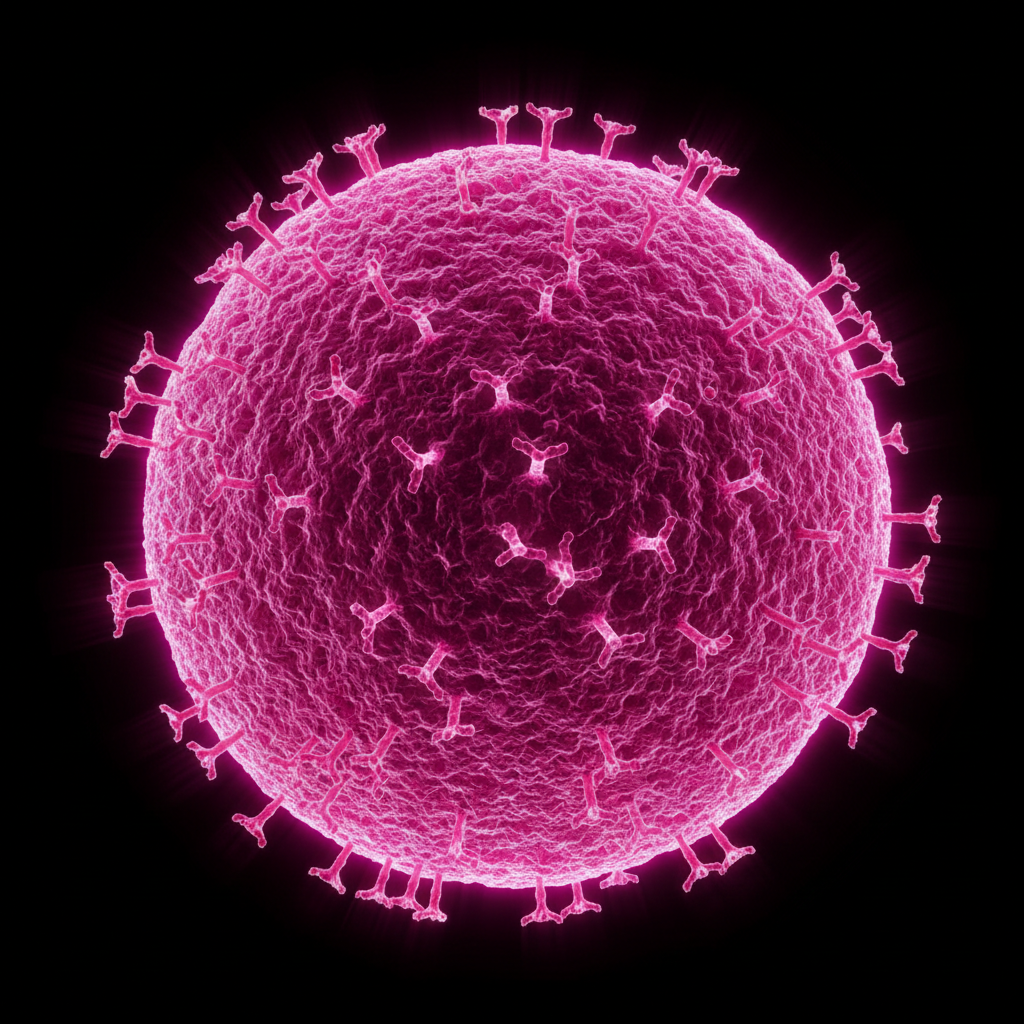
B Lymphocyte
The antibody factory
After recognizing antigen and receiving appropriate activation signals — often including CD4+ T-cell help in T-dependent responses — it can differentiate into plasma cells and memory cells.
- Each B cell recognizes a single antigen via its receptor (BCR).
- Generates humoral memory — the basis of vaccination.
- Undergoes affinity maturation for ever-better antibodies.
Biomedical context
Vaccines stimulate B cells to build memory without causing disease.
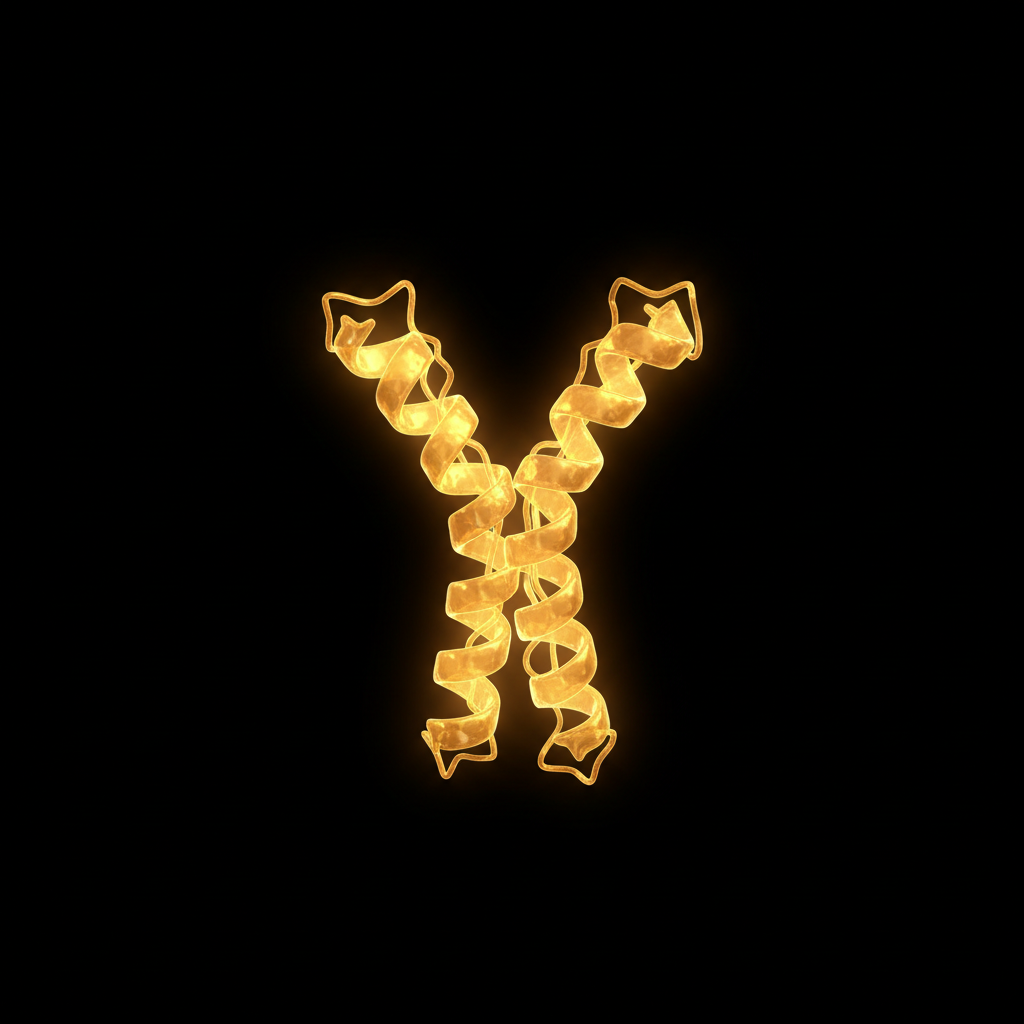
Antibody
The guided missile
Y-shaped protein produced by plasma cells. Binds specifically to the antigen to neutralize it and tag it for destruction.
- Neutralizes toxins and viruses, blocking their entry into cells.
- Opsonizes pathogens, marking them for phagocytosis.
- Activates the complement system.
Biomedical context
Serological tests detect antibodies; interpretation depends on the target, sampling time, vaccination, and clinical context.
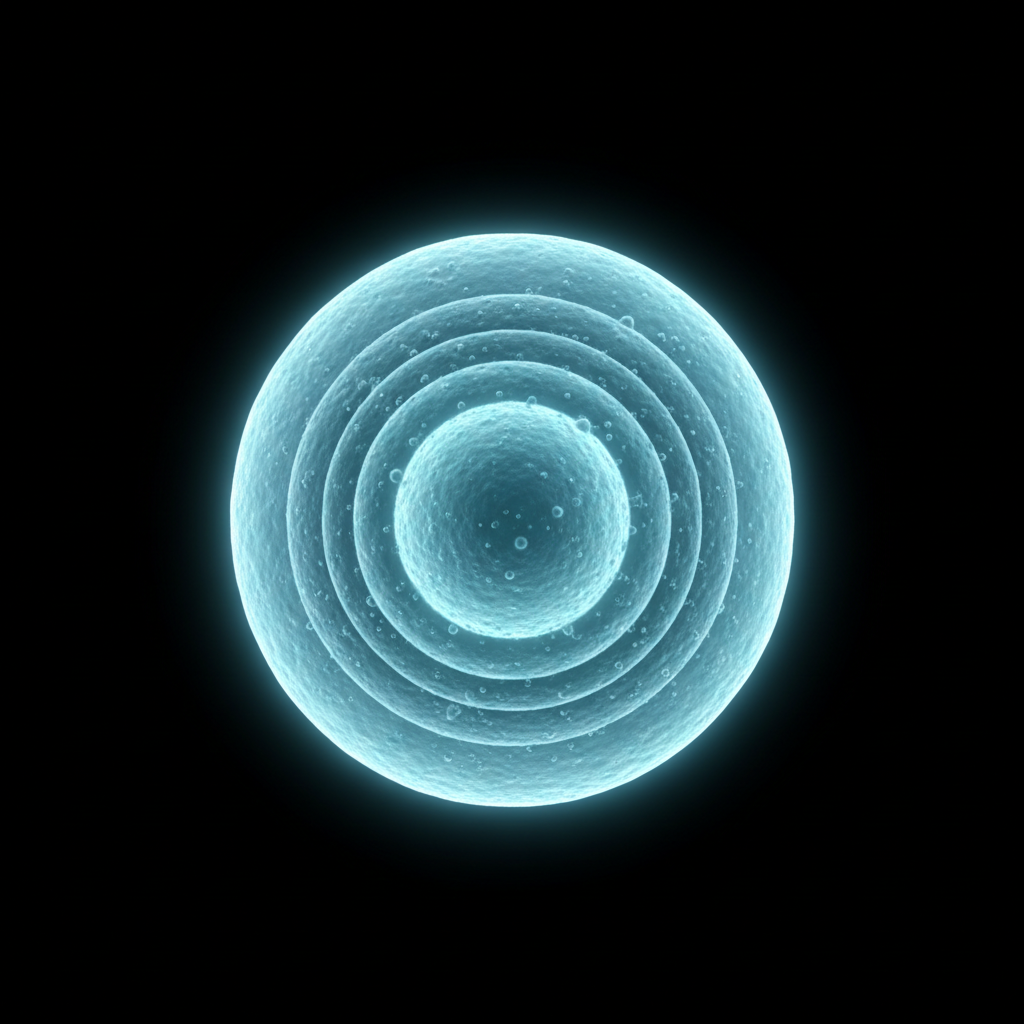
Memory Cell
The memory that protects for years
Long-lived lymphocytes that preserve antigen memory and, on re-exposure, tend to respond earlier and with greater magnitude than naive cells.
- The biological basis of long-lasting immunity and vaccines.
- The secondary response tends to begin earlier and reach a greater magnitude than the primary response.
- They exist as memory T and B versions.
Biomedical context
The need and interval for boosters vary by vaccine, pathogen, duration of protection, and public-health recommendations.
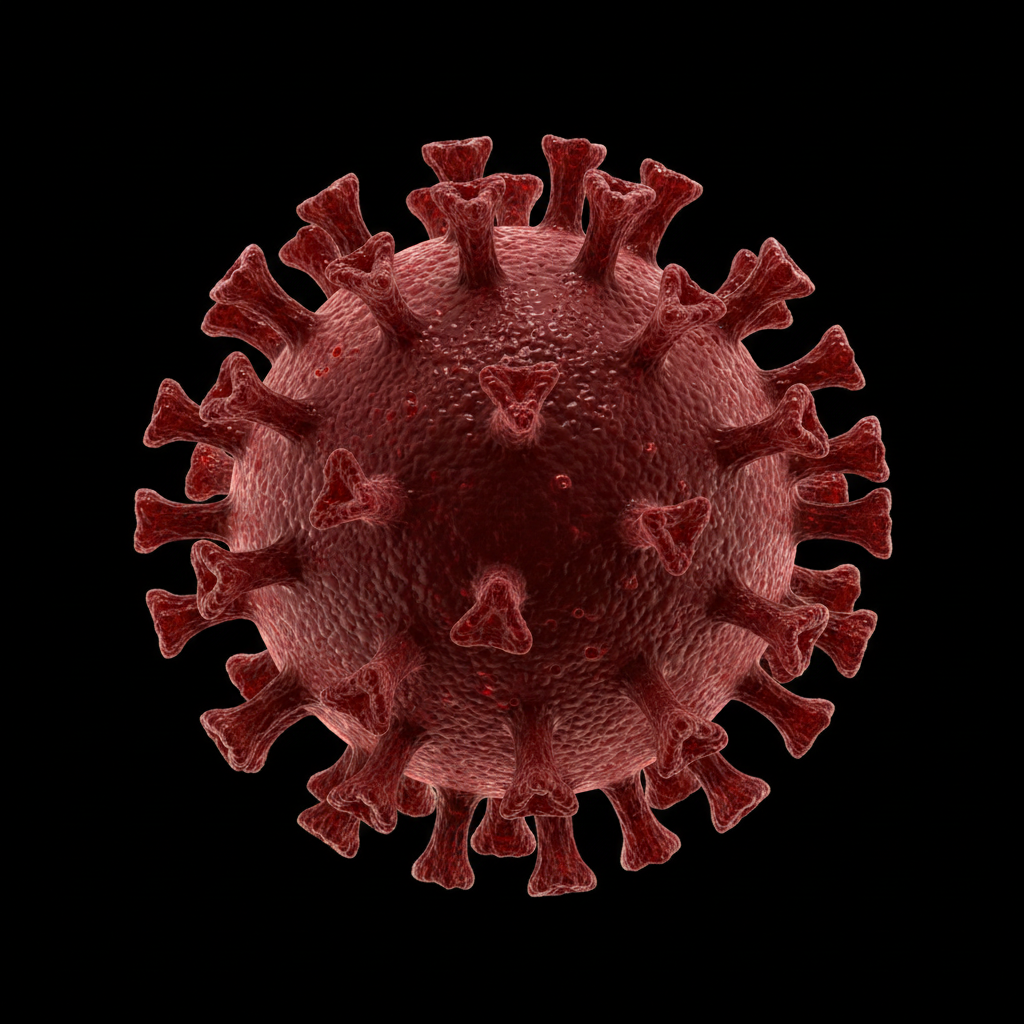
Virus
The cell hijacker
In this generic model, the virus depends on host cells to replicate; free particles and infected cells are controlled by different immune mechanisms.
- In the model, CD8+ T cells and NK cells act on infected cells, while interferons contribute to the antiviral state.
- Antibodies act by neutralizing free particles.
- Many RNA viruses evolve rapidly; in influenza, antigenic drift and genetic reassortment can reduce immune recognition.
Biomedical context
Antibiotics act against bacteria, not viruses; antivirals, when available, are specific to the virus and clinical context.
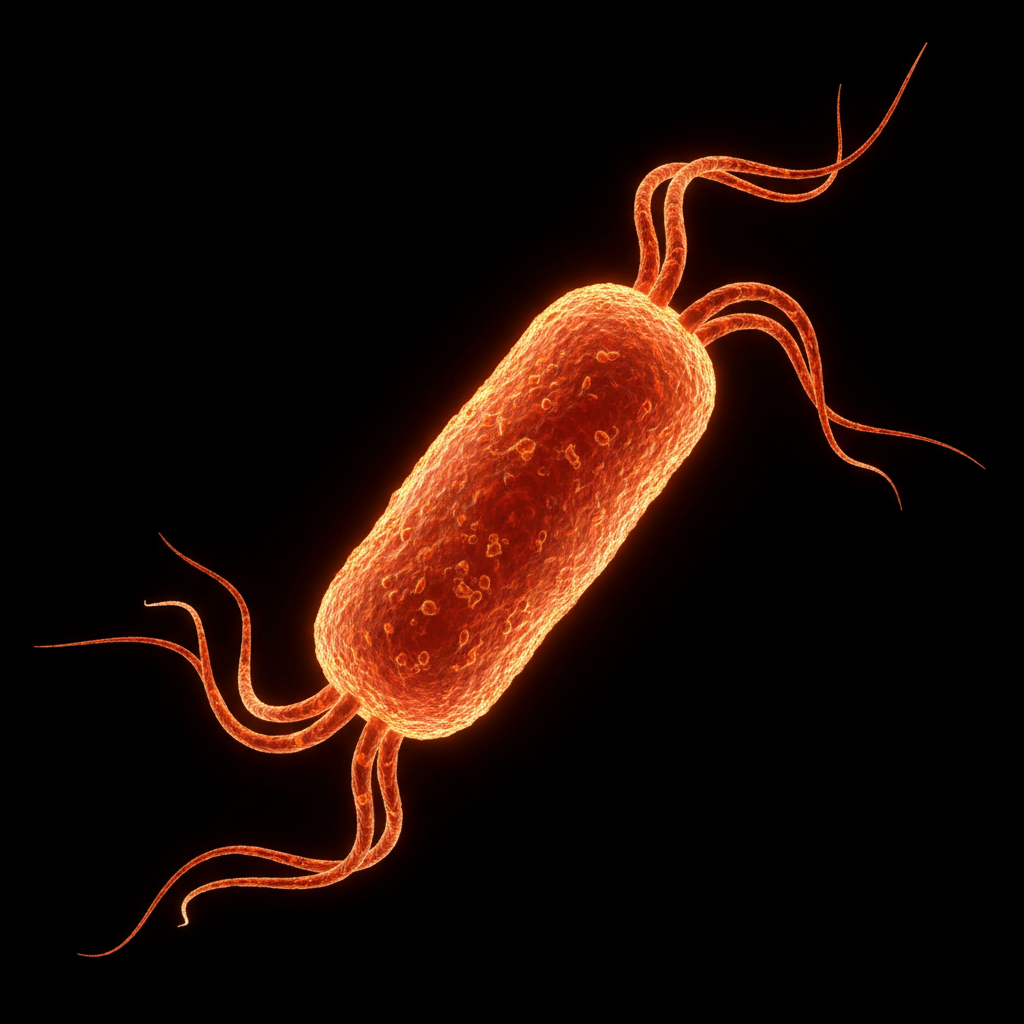
Bacteria
The extracellular invader
In this teaching model, it represents an extracellular bacterium controlled mainly by phagocytes, complement, and antibodies; real bacteria show wide diversity in niches and mechanisms.
- Phagocytes and the complement system are the main defense.
- Some produce toxins neutralized by antibodies.
- Antibiotic resistance is a global health crisis.
Biomedical context
Rational antibiotic use is essential to curb bacterial resistance.
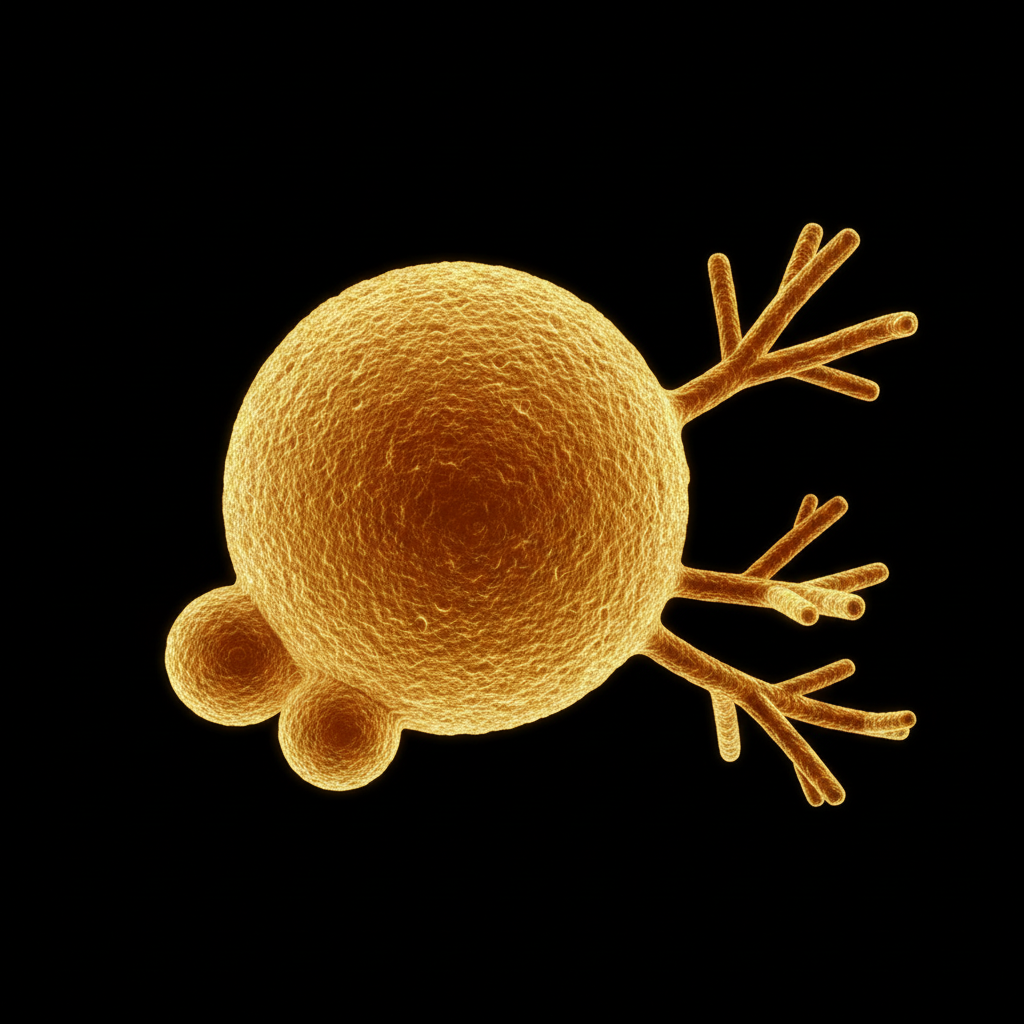
Fungus
The persistent opportunist
In this teaching model, it represents an opportunistic fungus controlled by a combination of innate and adaptive mechanisms, with emphasis on neutrophils and Th17-axis responses.
- Common in immunosuppressed patients (opportunistic).
- Neutrophils and T cells are key to control.
- Infections can be superficial or systemic.
Biomedical context
Invasive candidiasis is relevant in ICUs and immunocompromised patients.
Welcome to ImmuneGuard
For the best learning experience, follow this study order:
Lesson Mode
Explore each cell and pathogen card before simulating.
Simulator
Start an infection and watch the immune response in real time.
Learning Scenarios
Apply what you learned in guided situations with clear learning objectives.